
Understanding Autism
Behavior Is Communication
Autism isn’t a behavior disorder.
It’s a communication style.
When children don’t yet have the skills or words to explain what they need, behavior becomes their language.
The goal isn’t to stop behavior — it’s to understand it.
Once understanding comes first, we can change how we respond and progress follows.
This belief guides every session, every workshop, and every tool created through SheTeachesMe.
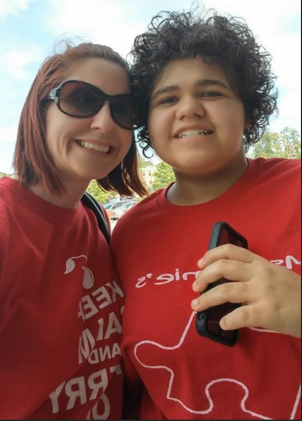
Understanding doesn’t happen by accident.
Families often spend years waiting — for evaluations, services, approvals, or systems to catch up to what they already know about their child.
SheTeachesMe was created for families who don’t want to stay stuck in the waiting phase.
If you’re here, you’re ready for clarity — not more delays
A hands-on workshop for parents & caregivers
You don’t need more theory.
You need clarity you can use now.
This workshop is designed for parents and caregivers who are done waiting for understanding and ready to learn what behavior is actually communicating.
Experience That Predates the System
I’ve worked in classrooms for over 20 years — before there were clear protocols, standardized responses, or consistent supports. I’ve seen how often families are asked to wait while needs remain unmet.
SheTeachesMe exists because understanding shouldn’t be postponed.
This work blends professional experience with lived parenting, offering families guidance that doesn’t rely on perfect timing or ideal systems.
Support should happen when it’s needed — not when it’s approved.
Practical Support, Without the Runaround
SheTeachesMe offers direct, personalized support for children and families navigating autism and related challenges.
Services include:
In-home and virtual consultation
Parent coaching
Skill-building and tutoring
Behavior support focused on communication
Workshops and training sessions
This is support designed to move forward — not stall.
Tools You Can Use Now
These workshops are designed for parents and caregivers who want actionable insight — not theory.
We focus on:
Recognizing communication through behavior
Responding without escalation
Building skills instead of waiting for change
Creating support systems that actually work
Clear. Practical. Effective.
Who This Is For
This workshop is for you if:
You’ve been told to “wait and see”
You feel like your child is communicating something — but you’re not sure what
You want practical tools, not judgment
You don’t want to rely on systems catching up before helping your child
What We’ll Cover
Why behavior happens
What behavior is communicating
How missing skills show up as big reactions
How to respond without escalating
Tools you can use the same day
No pressure.
No blame.
No unrealistic expectations.
What You’ll Walk Away With
A new way to look at behavior
Language that makes things click
Tools that feel doable
Reassurance that you’re not missing something.
What Happens After You Book
You don’t wait for clarity — you start building it.
Once you book, we focus on understanding what’s happening now and identifying the next steps that make the biggest difference.
Support begins here.
Details
Location: Tiger River Park (Observatory Tower area)
Date & Time: Monday, Nov. 11 at 11:00 AM
First class FREE
Friendly, hands-on learning for parents & caregivers
Thank You For Showing Up
Seeking understanding takes effort—and that effort matters.
Help is on the way.
1) Why behavior shows up
Behavior usually shows up when something is too much, too fast, too confusing, too unpredictable—or when a child doesn’t have a better way to communicate yet.
2) What “understanding first” looks like
Understanding doesn’t mean “letting everything slide.”
It means we don’t punish a message. We respond to it.
3) The questions we ask
What happened right before?
What does your child get or avoid afterward?
Are they overwhelmed, stuck, anxious, hungry, rushed, unsure?
Do they have the words—or do they need another way to show it?
4) What changes when you see the message
When you understand the “why,” you stop guessing. And you start helping on purpose.